
Category: Open Science News
-
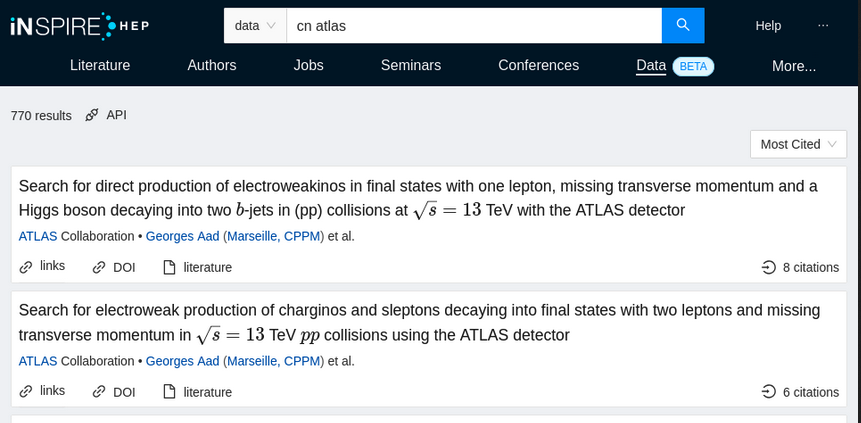
INSPIRE releases new dataset discovery feature
INSPIRE releases new dataset discovery feature In a significant step forward for Open Science in the field of high-energy physics (HEP), CERN and its partners have launched a new beta feature on the INSPIRE platform that enables researchers to directly discover, access, and cite scientific datasets. This development represents an important advancement in making research
-
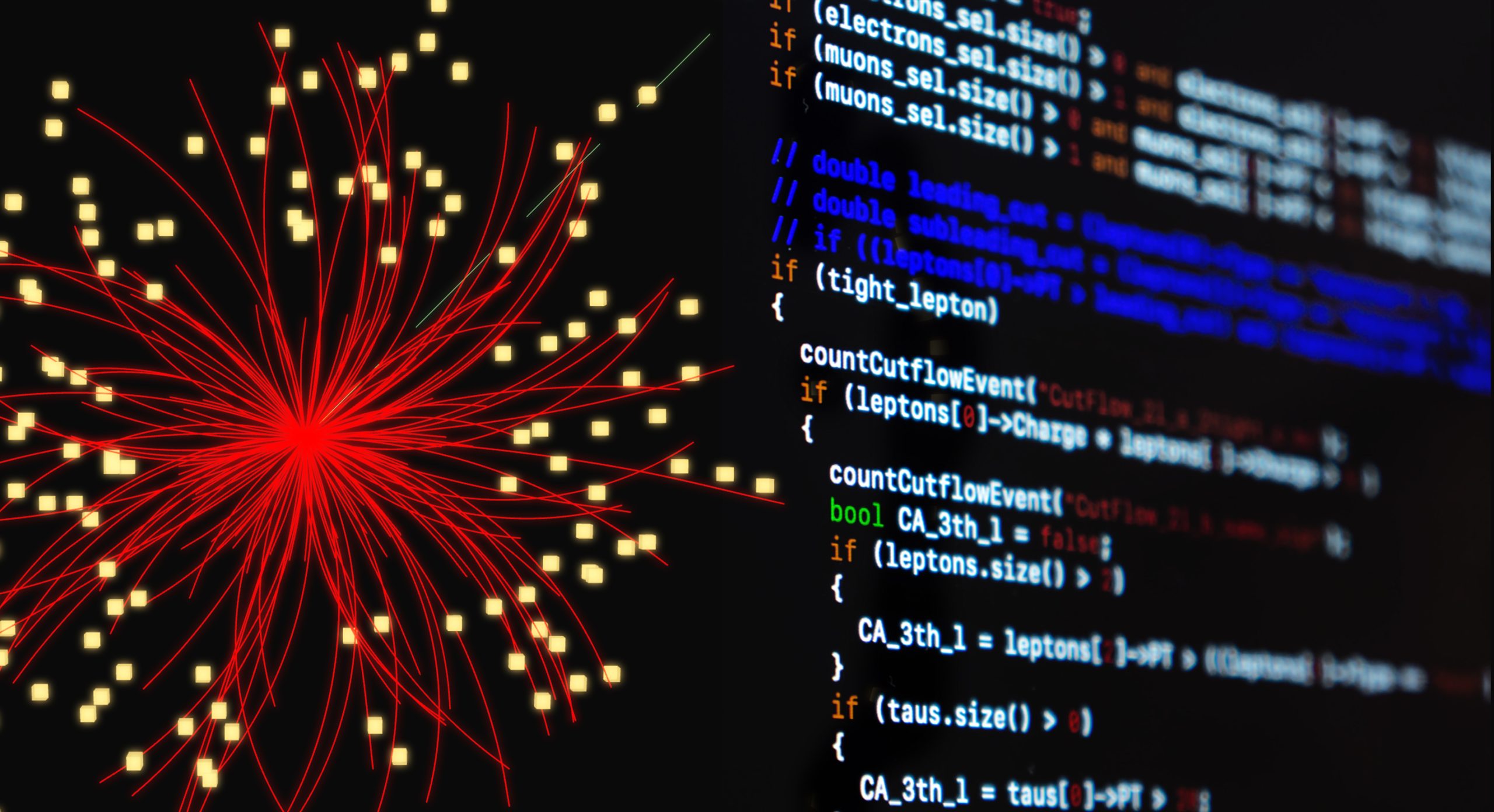
ATLAS releases 65 TB of open data for research
ATLAS releases 65 TB of open data for research The ATLAS Experiment at CERN has made two years’ worth of scientific data available to the public for research purposes. The data include recordings of proton–proton collisions from the Large Hadron Collider (LHC) at a collision energy of 13 TeV. This is the first time that ATLAS has
-

Northwestern and CERN Step into Collaborative Leadership Role, Fostering Innovation in Open Science
Northwestern and CERN Step into Collaborative Leadership Role, Fostering Innovation in Open Science Northwestern University Feinberg School of Medicine and the European Organization for Nuclear Research (CERN) are stepping into a dynamic leadership position in the third year of the National Institutes of Health Generalist Repository Ecosystem Initiative (GREI) as Co-Chair through Zenodo. Coordinated by
-
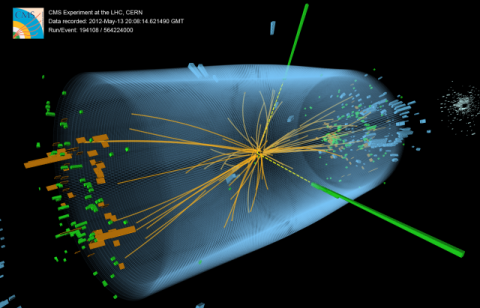
CMS releases Higgs boson discovery data to the public
CMS releases Higgs boson discovery data to the public As part of its continued commitment to making its science fully open, the CMS collaboration has just publicly released, in electronic format, the combination of CMS measurements that contributed to establishing the discovery of the Higgs boson in 2012. This release coincides with the publication of
-
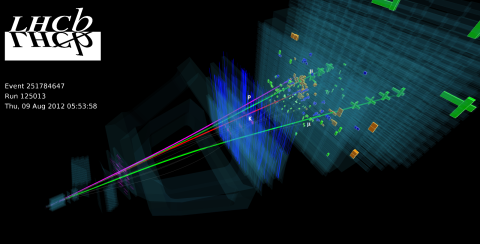
LHCb experiment releases all of its Run 1 proton–proton data
LHCb experiment releases all of its Run 1 proton–proton data The LHCb experiment at the Large Hadron Collider has released approximately 800 terabytes of data from Run 1, spanning 2011 and 2012. This pre-filtered data, aligned with CERN’s Open Data Policy, facilitates research and education in physics. With over 700 scientific publications and open-access papers,
-

UNESCO Open Science Outlook launched at CERN
UNESCO Open Science Outlook launched at CERN Eleven countries have introduced open science policies, strategies and legislative frameworks since the adoption of the UNESCO Recommendation on Open Science two years ago, according to the UNESCO Open Science Outlook 1: Status and Trends Around the World. This means that the total number of countries with open
-

CERN launches Open Source Programme Office
CERN launches Open Source Programme Office CERN launches its Open Source Program Office to help you with the release of your software and hardware designs Have you ever considered making your software or hardware designs publicly available? Sharing your work with collaborators in research and industry has many advantages, but it may also present some
-
OS Policy: Implementation Plan released
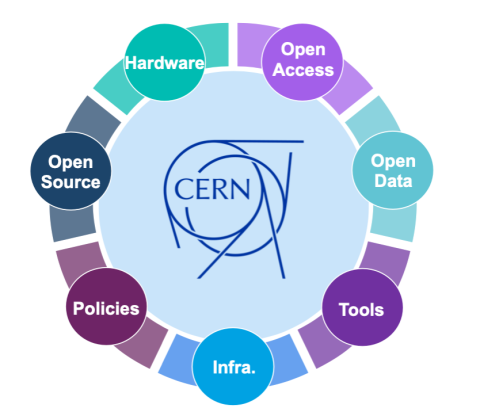
Open Science Policy: Implementation Plan released Today, the CERN Open Science Strategy Working Group has released the first version of the implementation plan that specifies concrete measures how to implement the CERN Open Science Policy, released on October 1st 2022. The implementation plan will be regularly updated to reflect organisational changes, updated priorities and new
-
ICRC & CERN: open source technologies for humanitarian action
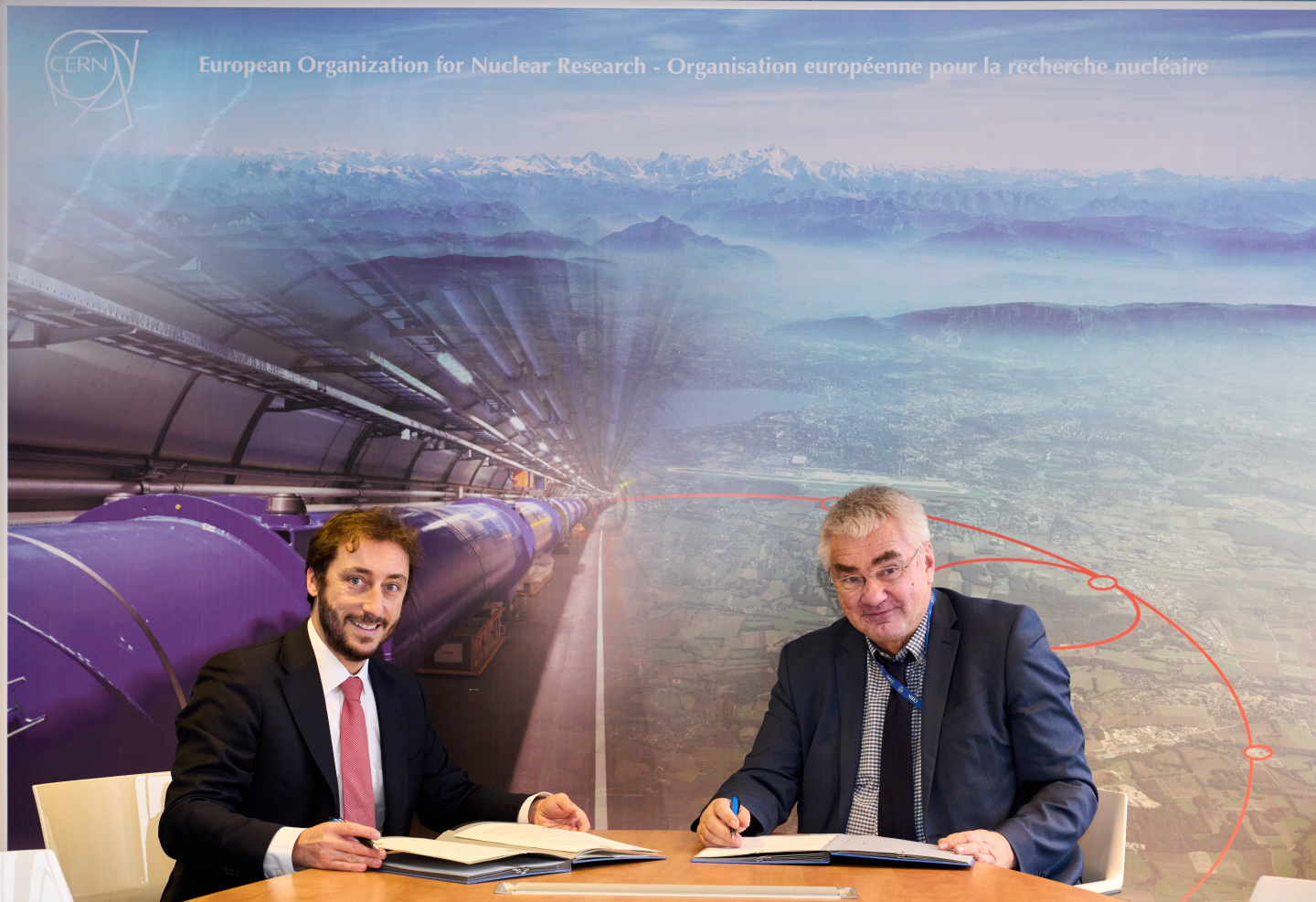
ICRC & CERN: open source technologies for humanitarian action On March 24th, International Committee of the Red Cross (ICRC) representatives from its Delegation for Cyberspace came to CERN for the first in a series of knowledge-sharing sessions on using free and open source technologies to support the vital humanitarian work they carry out across the
-

CERN supports Open Access publishing for books
CERN supports Open Access publishing for books Ever since the open access (OA) publication of peer-reviewed primary research articles from CERN authors was made a policy requirement in 2014, CERN has made great strides forward in opening its research to anyone around the world. This has been achieved thanks to a variety of mechanisms implemented