
Category: Open Science News
-
Open Source in the CERN Courier
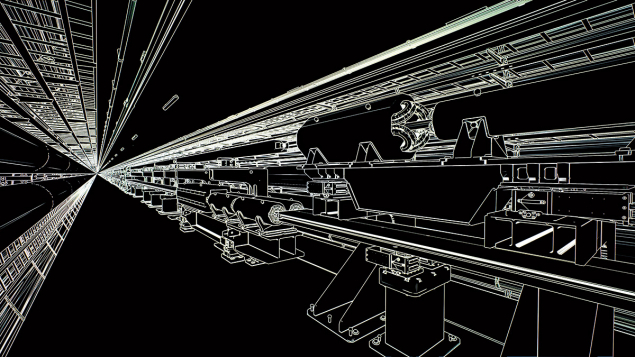
Open Source in the CERN Courier The CERN Courier is the magazine hosted at CERN to report on international high energy physics. In its latest issue (July/August 2026), two major Open Source projects are featured. The first story, written by Szymon Łopaciuk, Giacomo Broggi, Frederik Van der Veken and John Salvesen, explains how an open source software suite,
-

SCOAP3 successfully concludes second evaluation period of Open Science Elements
SCOAP3 successfully concludes second evaluation period of Open Science Elements We are pleased to announce the publication of the 2026 Open Science Elements evaluation results, the second iteration of this assessment for SCOAP3 Phase 4. This annual evaluation measures the performance of SCOAP3 publishers across a range of Open Science practices, including persistent identifier integration
-
CERN joins European project to professionalise data stewardship
CERN joins European project to professionalise data stewardship CERN is a key partner in STARDAST, a new €8 million Horizon Europe project that will build a pan-European training ecosystem for data stewards and equip researchers with open science skills. CERN will lead the project’s knowledge dissemination work package and contribute to capacity-building activities across disciplines
-
CERN’s KiCad component library now open source
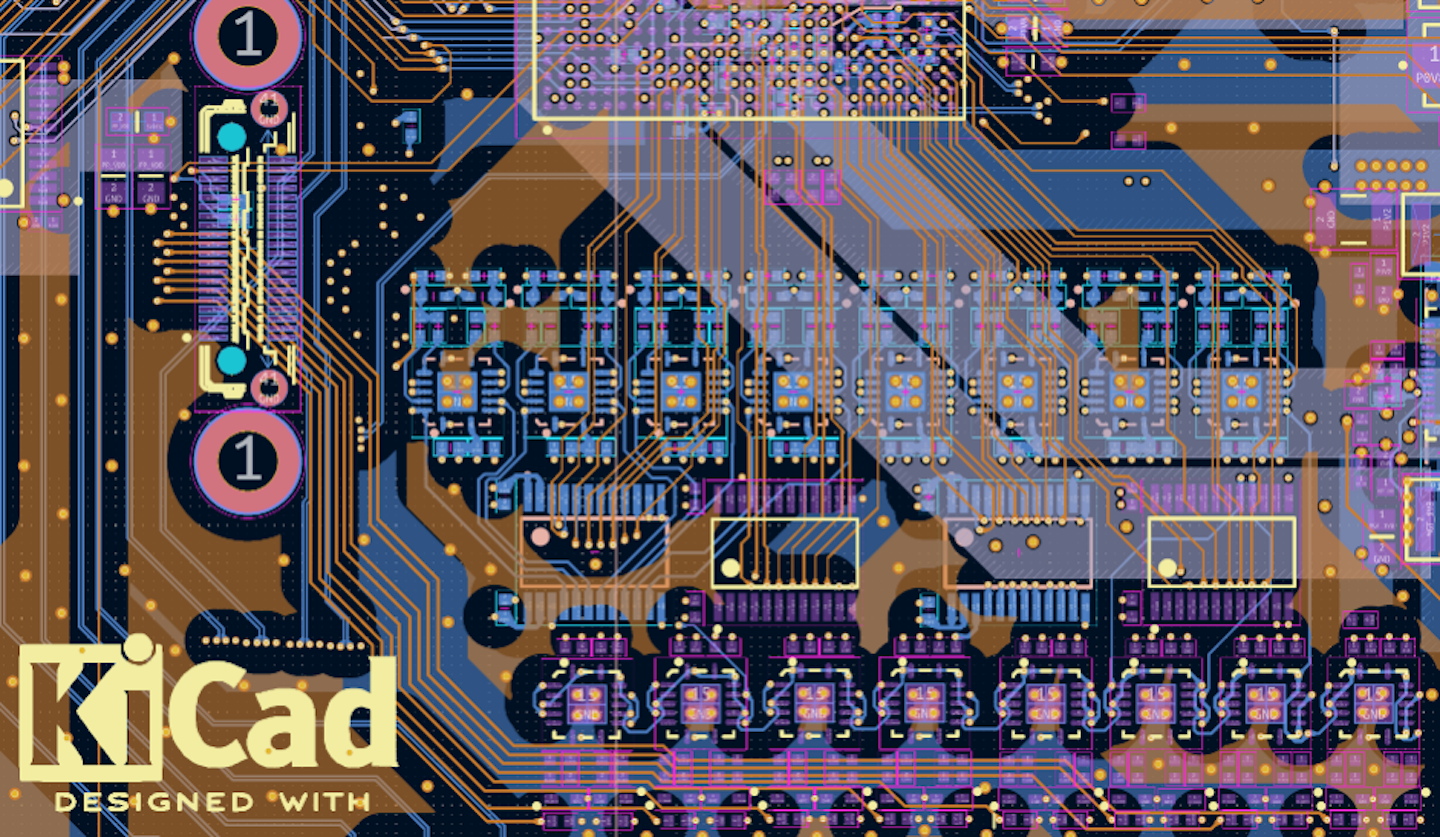
CERN’s KiCad component library now open source CERN has released its complete KiCad component library, which consists of more than 17 000 electronic components, under an open source licence. The library, maintained by the Design Office in BE-CEM-EPR, complements the hardware designs already published in the Open Hardware Repository. The release was guided by CERN’s
-
LHCb releases service to access Run II data
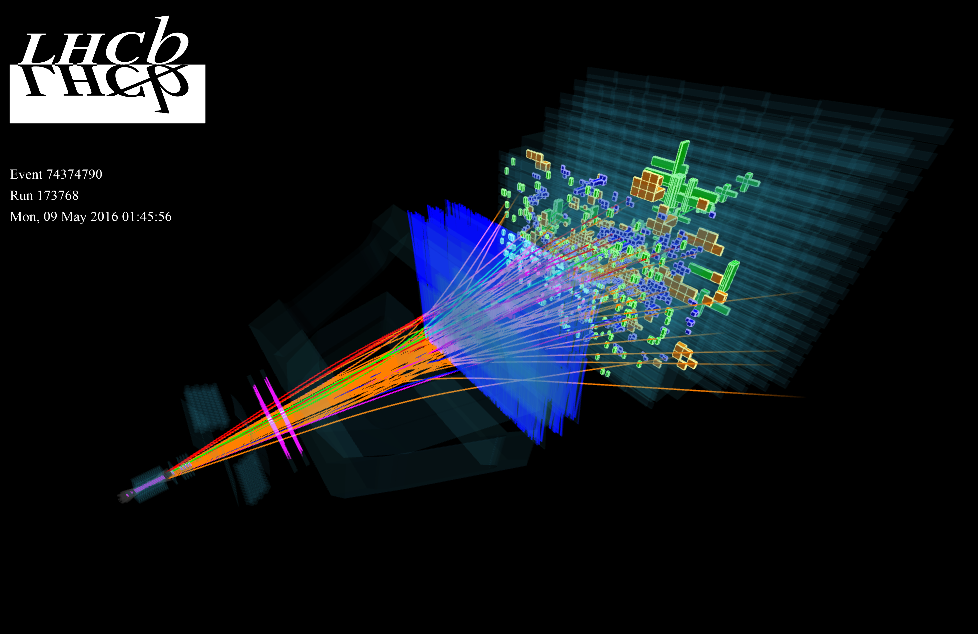
LHCb releases service to access Run II data The LHCb collaboration has just released the LHCb Ntupling Service: a web service for on-demand production and publishing of custom LHCb open data. This provides the public access to both Run I (2010-2012), and for the first time, Run II (2015-2018) data of proton-proton collisions collected by
-
CERN publishes its first Open Science Report
CERN publishes its first Open Science Report CERN has released its inaugural Open Science report, providing a comprehensive review of the organization’s progress in implementing its Open Science policy during 2023-2024. The report, which reflects the collective efforts and contributions of all Open Science practitioners across the organization, examines compliance across all open science practices
-
5th SCOAP3 Forum
5th SCOAP3 Forum The 5th SCOAP3 forum was held on June 18th 2025, delivered in two identical sessions to enable the broadest possible global participation for SCOAP3-communities across all time zones. This year’s forum was focused on the launch of Phase 4 of SCOAP3, and the introduction of the new open science elements mechanism designed
-

CERN’s Open Source Programme Office Publishes First Report
CERN’s Open Source Programme Office Publishes First Report Openness is at the heart of how CERN works. The Open Source Programme Office (OSPO) helps teams at CERN make their software and hardware openly available and easier to share. It has now published its first report, available on the CERN Repository. The OSPO was established in
-
CERN joins the build-up phase of EOSC Federation
CERN joins the build-up phase of EOSC Federation The European Open Science Cloud (EOSC ) is the long-term pan-European initiative to develop a web of FAIR (findable, accessible, interoperable, reusable) data and services across all scientific fields. EOSC is being designed as a network of federated nodes, called the EOSC Federation. The first node, the
-
SCOAP3 publishes first results of the new Open Science mechanism
SCOAP3 publishes first results of the new Open Science mechanism In a pioneering move to enhance Open Science practices, SCOAP3 has established a new mechanism for the contractual period 2025-2027 (Phase 4). This new mechanism involves an annual assessment of these elements with publishers’ financial compensation adjusted based on the results. The outcome of this first